
Actinic Keratoses Dermatologists in Boca Raton and Delray Beach
Enjoy healthy, radiant skin.
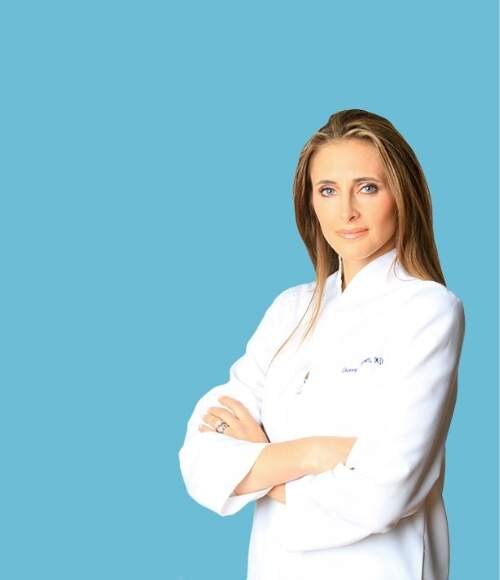
Dr. Channing Barnett Is a Princeton-Trained Dermatologist and Actinic Keratoses Expert in Boca Raton and Delray Beach
Educated and trained at Princeton University, Albert Einstein College of Medicine and Columbia University Medical Center, Dr. Channing Barnett, M.D has been practicing since 2009. She is board certified by the American Board of Dermatology with particular expertise in dermatologic and cosmetic surgery. Dr. Channing Barnett believes in maintaining the healthiest skin possible by using minimally invasive procedures for maximum skin care results and long-term benefits. She is the daughter of the late Dr. Jay G. Barnett who practiced dermatology on the Upper East Side of New York City for 45+ years.
The Barnett Dermatology Approach to Actinic Keratoses Treatment in Boca Raton and Delray Beach

During an initial visit, we spend time getting to know you and your unique skin care needs.

We recommend treatment based on the condition of your actinic keratoses.

Through easy follow-up visits, we monitor how treatments are helping over time.

Based on the progress of your actinic keratoses, we will either continue with treatment or recommend alternative courses of action.
FAQs About Actinic Keratoses Treatment in Boca Raton and Delray Beach
+ Q: What causes actinic keratoses?
Actinic keratoses are caused by long-term sun exposure that damages skin cells over time. Because Boca Raton and Delray Beach receive strong year-round sunlight, residents are at a higher risk of developing these precancerous skin lesions. Fair skin, a history of sunburns, outdoor work, and tanning bed use also increase the likelihood of actinic keratoses. At Barnett Dermatology, we help patients identify and treat sun damage early to prevent progression to skin cancer.
+ Q: What do actinic keratoses look like?
Actinic keratoses often appear as rough, scaly patches that may be red, pink, brown, or skin-colored. They commonly develop on sun-exposed areas such as the face, scalp, ears, neck, hands, and forearms, areas frequently exposed to the sun in South Florida. Many patients in Boca Raton and Delray Beach notice that these spots feel more like sandpaper than normal skin.
+ Q: How much do actinic keratosis treatments cost at Barnett Dermatology?
The cost of actinic keratosis treatment varies based on the number of lesions and the type of treatment used, such as cryotherapy, topical medications, or photodynamic therapy. During your visit to Barnett Dermatology in Boca Raton or Delray Beach, our dermatologists will evaluate your skin and recommend the most effective treatment plan while providing clear guidance on pricing and insurance coverage.
+ Q: Can actinic keratoses be prevented in South Florida’s climate?
While not all cases can be prevented, sun protection plays a major role in reducing your risk. Wearing broad-spectrum sunscreen daily, using protective clothing, and avoiding peak sun hours are especially important in Boca Raton and Delray Beach’s sunny climates. Regular skin exams at Barnett Dermatology help catch actinic keratoses early and support long-term skin health.
+ Q: When should I see a dermatologist for actinic keratoses?
You should see a dermatologist if you notice any rough or scaly patches that do not heal, grow larger, or become tender or itchy. Because actinic keratoses can develop into squamous cell carcinoma if left untreated, early diagnosis is essential. The dermatologists at Barnett Dermatology in Boca Raton and Delray Beach specialize in early detection and effective treatment of precancerous skin lesions.